


Rooibos
Introduction
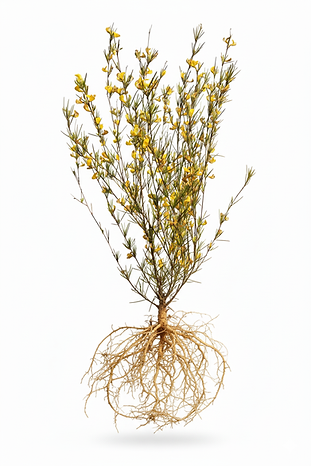
The history of Rooibos (Aspalathus linearis), which means "Red Bush" in Afrikaans, is a unique story tied entirely to one specific mountain range in South Africa.
Here is a brief history of Rooibos:
📜 History of Rooibos
Ancient Origin (300+ Years Ago): Rooibos is indigenous and endemic to the Cederberg mountain region of the Western Cape, South Africa—the only place in the world where it naturally grows.
Indigenous Use: The Khoisan people, the region's indigenous inhabitants, were the first to harvest the needle-like leaves from the wild plant. They chopped the leaves with axes, bruised them, and let them ferment and dry in the sun to create a local herbal remedy and aromatic drink.
European Adoption (1700s): In 1772, Swedish botanist Carl Thunberg documented the local practice of drinking the tea. Soon after, Dutch settlers began consuming Rooibos as a cheaper alternative to the expensive black tea imported by ship from Asia.

About
Rooibos (Aspalathus linearis), meaning "Red Bush" in Afrikaans, is a herbal infusion (or tisane) that is unique because it is endemic to (only grows naturally in) the Cederberg region of South Africa.
Classification: It is not a true tea (it does not come from the Camellia sinensis plant). It is a member of the legume family.
Your collection is already set up for you with fields and content. Add your own content or import it from a CSV file. Add fields for any type of content you want to display, such as rich text, images, and videos. Be sure to click Sync after making changes in a collection, so visitors can see your newest content on your live site.
Ingredients
Aspalathin:
Significance: This is the major and unique antioxidant found only in the Rooibos plant.
Primary Benefits: Aspalathin is crucial for its anti-diabetic effects. It has been shown to improve glucose uptake and insulin secretion, helping to regulate blood sugar levels. It is also a powerful anti-inflammatory agent.
Nothofagin:
Significance: The second major antioxidant, also a rare compound.
Flavonoids (Quercetin and Chrysoeriol):
Quercetin: This flavonoid has anti-allergic properties, helping to block the release of histamine (the chemical that triggers allergic reactions).
Chrysoeriol: This compound acts as a mild bronchodilator, which may help relieve symptoms of asthma and allergic rhinitis (hay fever).
Minerals and Other Components:
Rooibos contains essential minerals like calcium, iron, potassium, and zinc.
It also contains Alpha Hydroxy Acid (AHA), which is beneficial for skin health and reducing the appearance of wrinkles.
Health Benefits
🌟 Detailed Health Benefits of Rooibos
1. Metabolic and Anti-Diabetic Effects
Unique Antioxidant Action: Rooibos is the only known source of the antioxidant Aspalathin. This compound has been shown to have strong anti-diabetic potential.
Blood Sugar and Insulin: Aspalathin helps to improve glucose uptake by muscle tissue and enhances insulin secretion from the pancreas. This dual action helps balance blood sugar levels and combat insulin resistance (a precursor to Type 2 Diabetes).
2. Cardiovascular Health and Blood Pressure
Lipid Profile Improvement: Regular consumption of Rooibos has been shown in human trials to significantly improve the body's lipid profile. This includes reducing LDL ("bad") cholesterol and triglycerides, while potentially increasing HDL ("good") cholesterol.
Blood Pressure Regulation: Rooibos may inhibit the Angiotensin-Converting Enzyme (ACE), which is a key mechanism used by blood pressure medications. By inhibiting ACE, Rooibos helps blood vessels relax, which can help lower blood pressure.
3. High Antioxidant and Anti-Inflammatory Power
Cellular Protection: Rooibos contains high levels of polyphenols (Aspalathin and Nothofagin) that act as potent antioxidants, scavenging free radicals and protecting cells from oxidative damage linked to chronic disease, aging, and potentially certain cancers.
Anti-Spasmodic Action: Traditionally, Rooibos has been given to infants with colic and people with stomach cramps because its compounds help relax smooth muscles in the digestive tract.
4. Anti-Allergy and Respiratory Support
Histamine Inhibition: Flavonoids like Quercetin and Chrysoeriol found in Rooibos can act as anti-histamines by suppressing the immune cells that release histamine, thereby alleviating symptoms of seasonal allergies and hay fever.
Bronchodilation: Chrysoeriol also has mild bronchodilatory effects, which may help ease wheezing and coughing.
5. Caffeine-Free and Low-Tannin Benefits
Better Sleep: Being naturally caffeine-free makes it an ideal evening beverage that does not interfere with sleep quality.
Improved Iron Absorption: Rooibos is naturally low in tannins (unlike black and green tea), which means it does not significantly inhibit the absorption of iron and other essential nutrients.